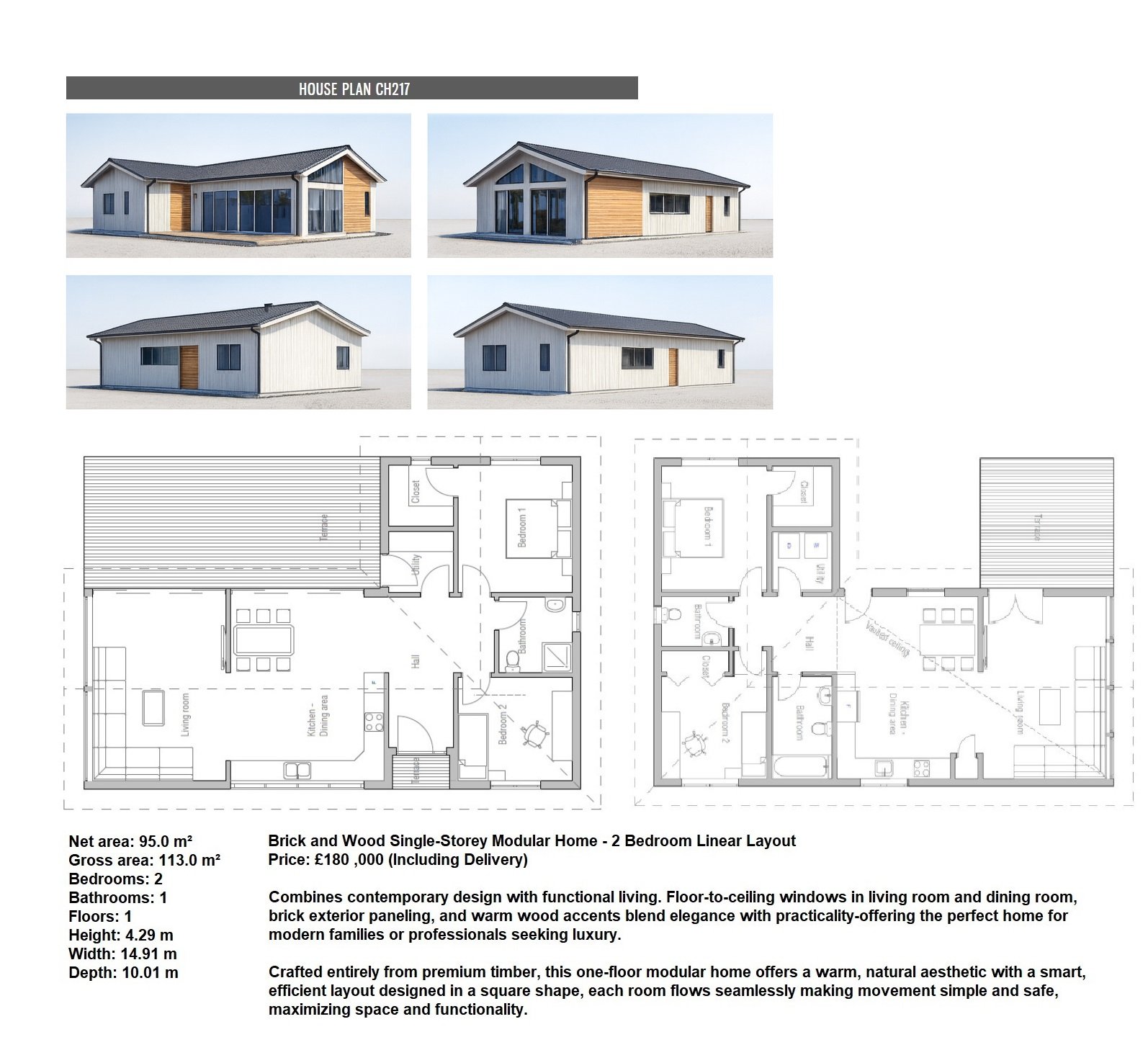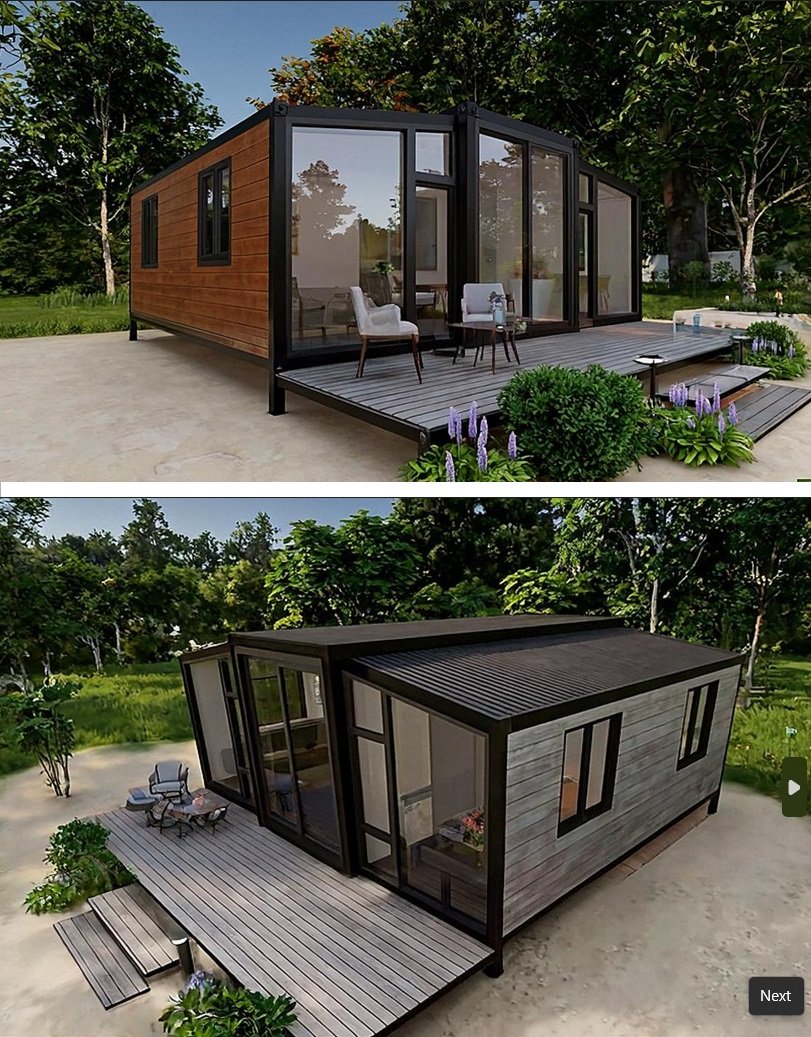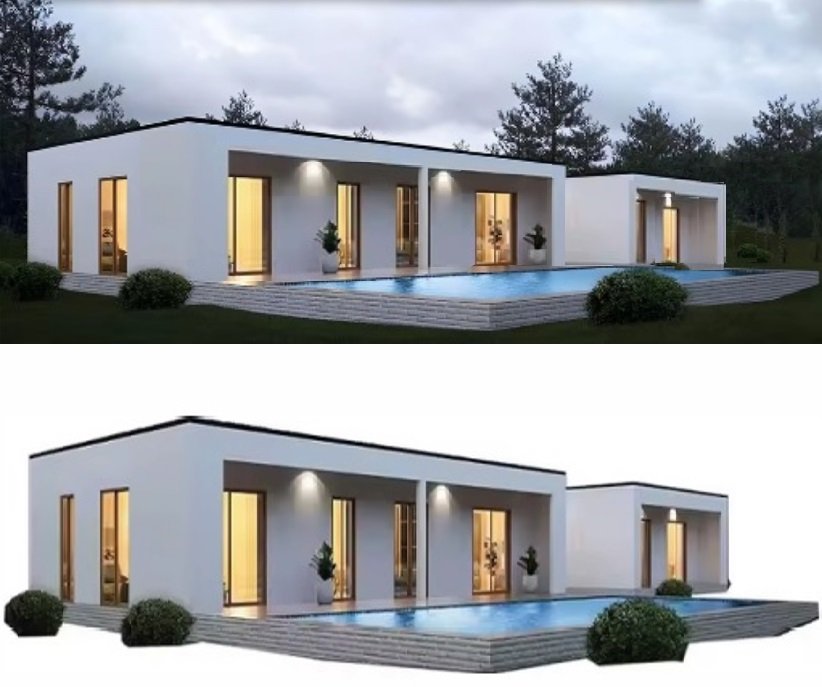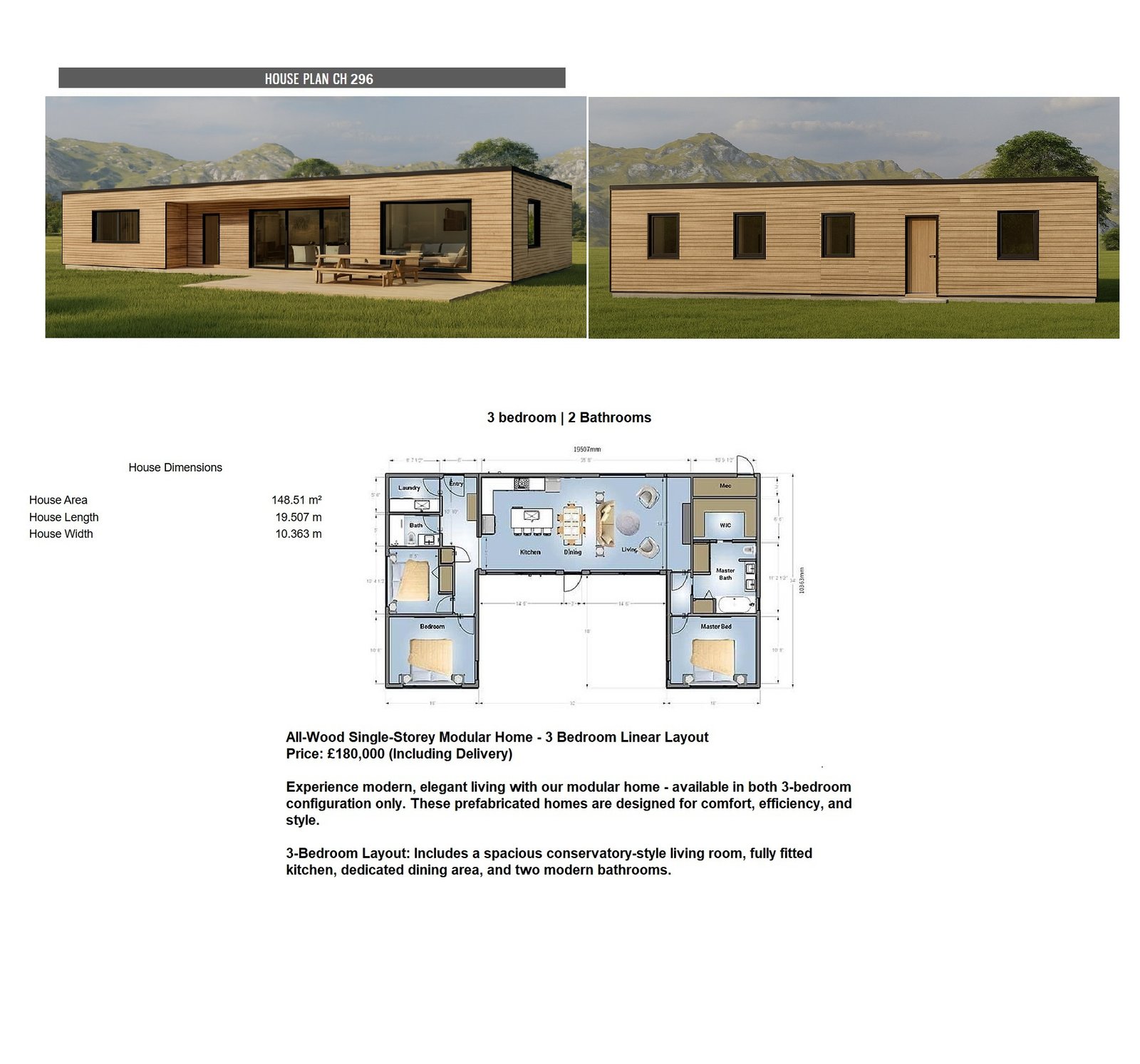

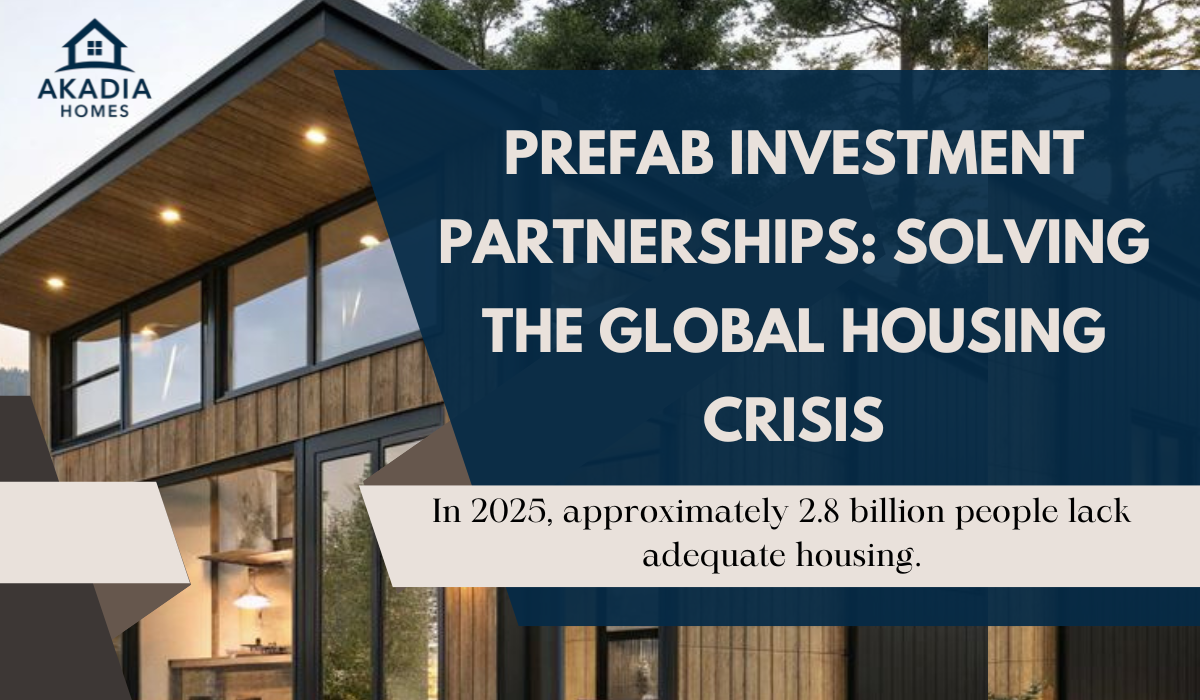
In 2025, approximately 2.8 billion people lack adequate housing. It’s becoming one of the most pressing issues of our time. Disproportionately affecting vulnerable populations, including low-income individuals, migrants, and those experiencing displacement, it’s a situation that is projected to worsen, with no clear strategy to address it. Next generation prefab housing could provide part of the solution.
The global housing crisis
You don’t have to look far to see evidence of the global housing crisis. Whether you switch on the news to see stories of developing nations, or visit any UK city to witness the unhoused epidemic, the problem is there for all to see. And it’s driven by a complex interplay of factors, from rapid urbanisation and insufficient housing construction, to rising housing costs and geopolitical instability. But while the problem is so much more than a shortage of properties – the massive disparity between supply, demand, and affordability still needs to be addressed – prefabricated housing could have a significant role to play in easing the situation.
Smart, scalable, and socially transformative when paired with the right capital and mission, prefab construction is now so much more than fast and economic. With contemporary technology and the right investors, it holds the potential to bring comfort to millions.
The potential of prefab housing solutions
Prefab housing has always been viewed as something of a cheap and cheerful temporary solution. But developing construction techniques and evolving technology make it a more appealing prospect than it once was. With enhanced materials and design flexibility, modern prefab homes don’t just offer faster build times and potentially lower costs, but improved quality control and increased sustainability. Not just when compared to previous prefab iterations, but when compared to traditional construction. But more than anything else, the most compelling argument for the use of prefabricated housing lies in its capacity to respond swiftly to humanitarian and strategic housing needs.
For refugees escaping conflict or natural disasters, and displaced families, prefab structures offer immediate shelter, safety, and a sense of stability. The units can be rapidly deployed, transported easily, and assembled with minimal labour, making them ideal for crisis situations where traditional construction methods would be impractical or too slow.
Equally, military personnel often require temporary but comfortable and durable housing solutions during deployments or base expansions. Using AI-assisted structural mapping, a technique developed by my company, prefab units can be customised for different terrains and climates, providing efficient, cost-effective housing that meets both logistical and operational demands. They can be tailored to comply with U.S. Military Housing standards and NATO interoperability frameworks And the modular build type also supports scalability, which is essential when you’re housing changing personnel numbers.Why international organisations are focusing on prefab
As well as a long list of private investors, my company works with a range of global partners, including national governments, NGOs, and resettlement agencies in Europe and North America, to design, manufacture, and deliver prefabricated housing units. Our ongoing collaborations extend to municipal programs in Poland, regional governments in Canada, and we are in early-stage discussions with NATO logistics teams on future humanitarian deployments. And there’s no denying that a lot of the reason behind this is driven by speed, cost-effectiveness, and overall efficiency. But there’s another reason why prefab investment is proving increasingly popular with charitable and intergovernmental groups. Whoever they are intended for, prefab structures not only offer a roof over the heads of people in need, but the possibility of community, privacy, and dignity during transitions. With proper design and support, prefab homes can evolve from short-term shelters to long-term living solutions, helping to bridge the gap between displacement and permanent resettlement. Potentially providing a longer-term solution for the global housing crisis, rather than a short-term stopgap. But for this to happen, investment is required.
The power of private investment in prefab housing
Private investment is emerging as a transformative force in the prefab housing sector. Unlocking innovation, scalability, and social impact, it is outstripping public funding and beginning to make an impact upon the housing crisis through an agility and responsiveness that the public sector simply cannot match.
Unlike traditional construction, prefab housing is capital-intensive at the outset, requiring investment in manufacturing, technology, logistics, and materials. This is where private capital plays a pivotal role. By injecting funds into modular housing startups, production facilities, and development projects, investors help drive down costs, improve quality, and shorten delivery timelines. This translates directly into homes being built faster and more affordably. Something that is vital for displaced families, underserved communities, and populations recovering from disaster.
Perhaps more importantly, however, private investment brings a level of discipline and innovation that can accelerate prefab’s evolution. Data-driven design, AI-enhanced supply chains, green building materials, and off-grid energy solutions all thrive in an investment-rich environment. This enables prefab housing not only to compete with traditional models, but to exceed them in resilience, energy efficiency, and cost-effectiveness. While the social and philanthropic advantages of private investment in prefab housing are clear, impact-driven investment brings significant business benefits too. You might be ostensibly investing in social and environmental outcomes, but you’re also gaining steady returns. By funding projects that provide affordable, sustainable housing, investors directly contribute to improving living conditions for refugees, low-income families, and climate-displaced communities. It might seem like charity, but it’s also brand differentiation with a resilient capital return. This helps attract talent, partners, and customers in an environment where values are as important as value.
Prefab investment also holds the potential to support ESG goals. ESG compliance is central to my company’s modular design approach. Every unit is manufactured with low-waste supply chains, and we are actively incorporating AI-based planning software to optimise logistics and site layout. Our prefab models integrate off-grid energy solutions, rainwater harvesting, and solar infrastructure to ensure long-term sustainability. We are also piloting blockchain-backed material traceability for improved ethical sourcing. For the structure’s inhabitants, this means cost-efficiency, convenience, and comfort. For investors, this provides additional ESG KPI achievement.
How can private investors become involved in prefab housing?
Private investors can become involved in the prefab sector through several channels:
Joint ventures with developers: Many prefab manufacturers seek capital to scale production and distribution. Investors can partner directly with these companies or co-develop housing projects that utilise prefab technology, particularly in regions facing housing shortages.
Public-Private Partnerships (PPPs): Governments increasingly turn to private capital to fund social housing, disaster response infrastructure, and refugee accommodations. By entering PPPs, investors can share in long-term returns while supporting socially impactful initiatives.
Real Estate Investment Trusts (REITs) and Funds: Some specialised REITs and private equity funds focus on modular construction and prefab housing developments. These offer exposure to the prefab sector without the need for direct project management.
Impact investing: For businesses focused on Environmental, Social, and Governance (ESG) goals, prefab housing aligns well with sustainable development. Efficient construction processes, lower waste, and energy-conscious designs make it a strong candidate for impact portfolios.
Prefab housing investment is not only financially valuable, it allows private capital to play a role in solving real-world problems. As the global housing crisis continues to escalate, prefab housing offers a solution that is fast, scalable, sustainable, and environmentally efficient. It holds the potential to provide shelter and dignity where it is needed most, whether from urban housing shortages or post-disaster recovery. But it needs investment. If private investors step up, it could be a mutually beneficial solution.
About Dr Ardin Ramani
Dr Ardin Ramani is the Founder and CEO of Akadia Group. He has over two decades of expertise spanning psychology, law enforcement, project management, artificial intelligence, and global business development. Dr. Ramani founded Akadia Group in 2013 and has held the role of CEO ever since.
Akadia Group is actively seeking investment partners and government collaborators to scale its prefab housing solutions. From refugee accommodations and workforce housing to smart modular communities and rapid deployment shelters, the company offers fully engineered and permit-ready structures. Investors not only contribute to global solutions but become part of a portfolio that delivers both high impact and resilient returns.